


Discover the African Mocker Swallowtail — Papilio dardanus: mimicry, meaning and wearable beauty.
🦋 Meet Papilio dardanus — The African Mocker Swallowtail
Papilio dardanus — also known as the African swallowtail, Mocker Swallowtail or Flying Handkerchief — is a remarkable swallowtail butterfly native to sub-Saharan Africa and nearby island regions. It belongs to the family Papilionidae, a group of large and visually striking butterflies. Wikipedia
What makes P. dardanus truly extraordinary is its female-limited polymorphism — meaning that only the females show dramatic variation in wing patterns, while males are relatively uniform. Wikipedia
🧬 The Science of Polymorphism & Mimicry
In Papilio dardanus, female butterflies exhibit multiple distinct wing patterns — often mimicking toxic or unpalatable species such as Danaus and Acraea butterflies — through a form of Batesian mimicry. In this survival strategy, a harmless butterfly resembles a harmful one so that predators avoid it. Wikipedia
This mimicry is female-limited and highly variable: a single genetic region — known as the H locus — controls numerous wing patterns, allowing a female to resemble different model species in different regions of Africa. SpringerLink
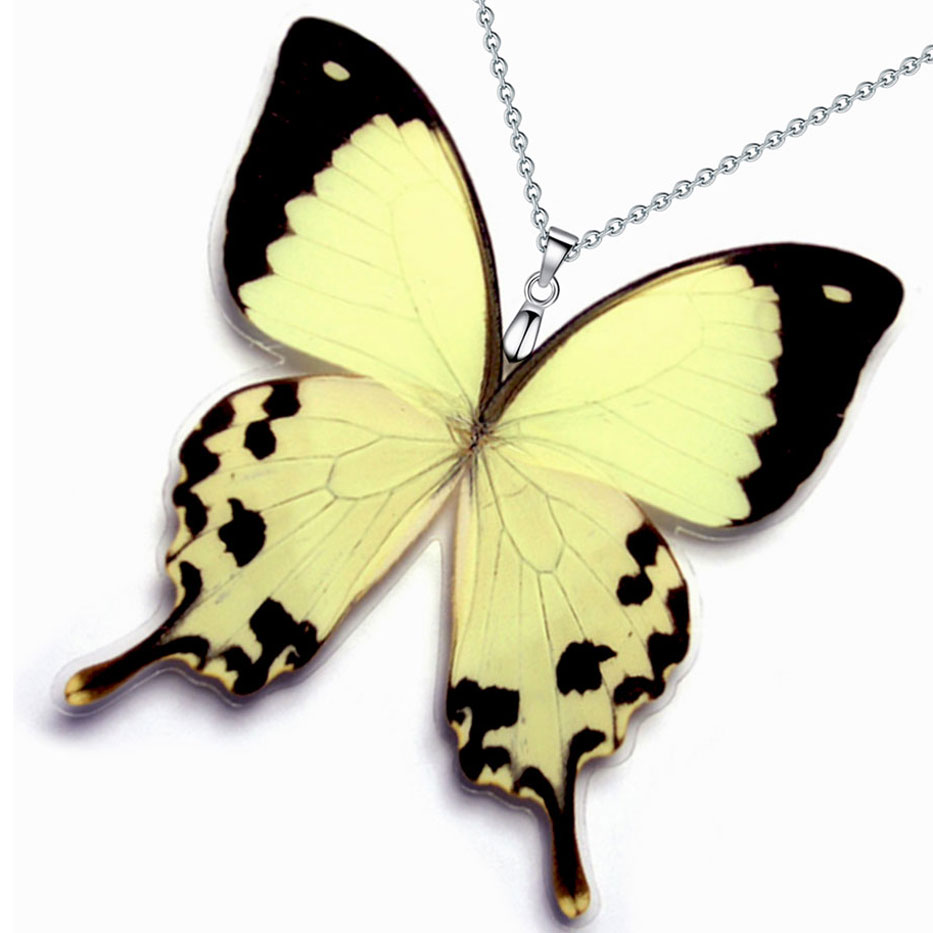
Males, in contrast, are usually pale-colored with contrasting dark margins and tails on their hindwings, and do not mimic toxic species. IITA
Because of this dramatic and localized mimicry, Papilio dardanus has been called “the most interesting butterfly in the world” by early naturalists and evolutionary biologists. Wikipedia
🦋 Papilio dardanus — The African Mocker Swallowtail of Adaptation and Illusion
“The fascinating wings of the Papilio dardanus display remarkable variation due to its famous mimicry of other species. When it spreads its wings, it reveals nature’s mastery of adaptation, symbolizing transformation, survival, and creativity—an inspiring story behind real butterfly wing necklaces.”
📹 Papilio dardanus in Motion — Watch the Mocker Swallowtail’s Shape-Shifting Beauty
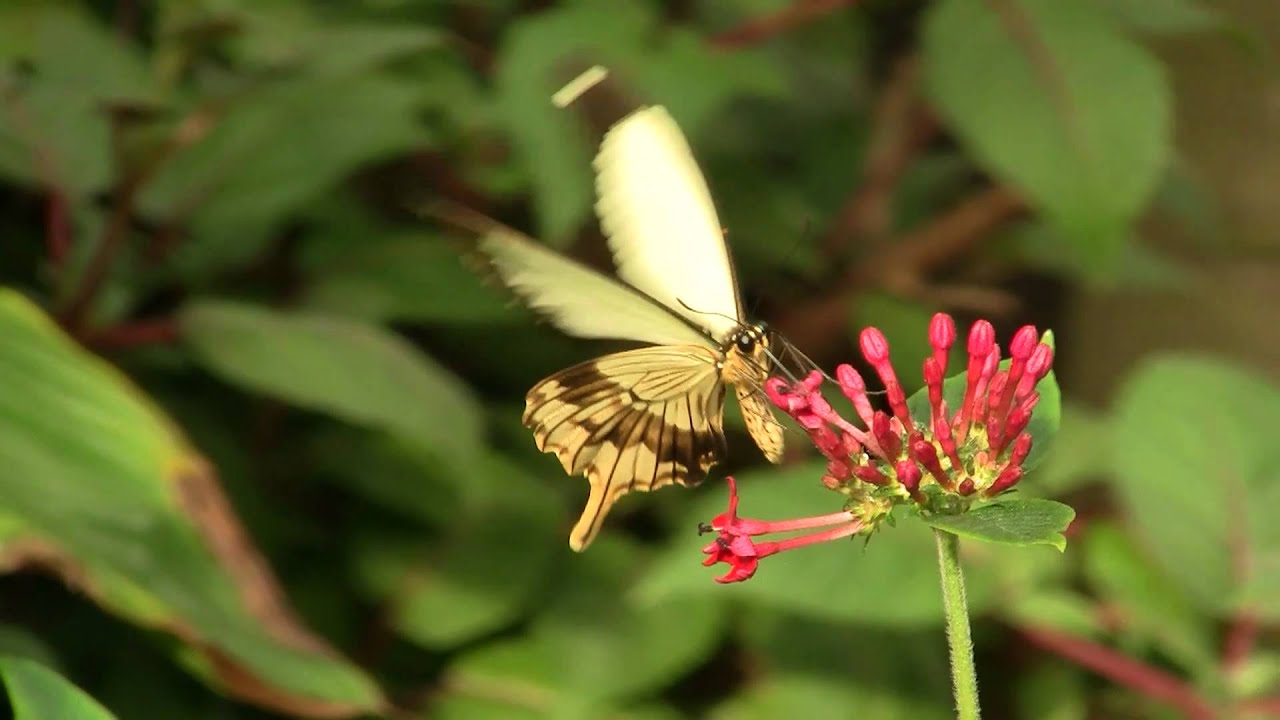
“Watch the fascinating Papilio dardanus in its natural tropical habitat. This video captures its strong flight and delicate nectar feeding behavior, showcasing the remarkable diversity of wing patterns that make this species famous. Native to regions across Sub-Saharan Africa, Papilio dardanus is known for its unique ability to mimic other butterfly species, earning it names like the African Swallowtail and Flying Handkerchief. Its ever-changing appearance and graceful movement make it one of the most intriguing butterflies in the wild.”
✨ Symbolic Meaning: Diversity, Adaptation & Resilience
Papilio dardanus isn’t just fascinating biologically — it carries rich symbolic layers that make it compelling to your readers:
🌈 Diversity & Identity
The extraordinary variation in female wing patterns symbolizes the beauty of diversity and the idea that identity can have many expressions. It reminds us that there isn’t just one way to thrive or to be beautiful.
🦋 Adaptation & Wisdom
By mimicking warning signals of toxic species, P. dardanus embodies adaptive strategy and survival wisdom. In life, as in nature, understanding your environment and responding creatively can be powerful.
🔄 Transformation & Evolution
Like all butterflies, the life cycle from caterpillar to chrysalis to winged adult reflects transformation, growth and renewal. The added twist of mimicry illustrates how adaptation and change can open new paths in life.
💎 Real Butterfly Wing Necklaces: Wearable Nature’s Art
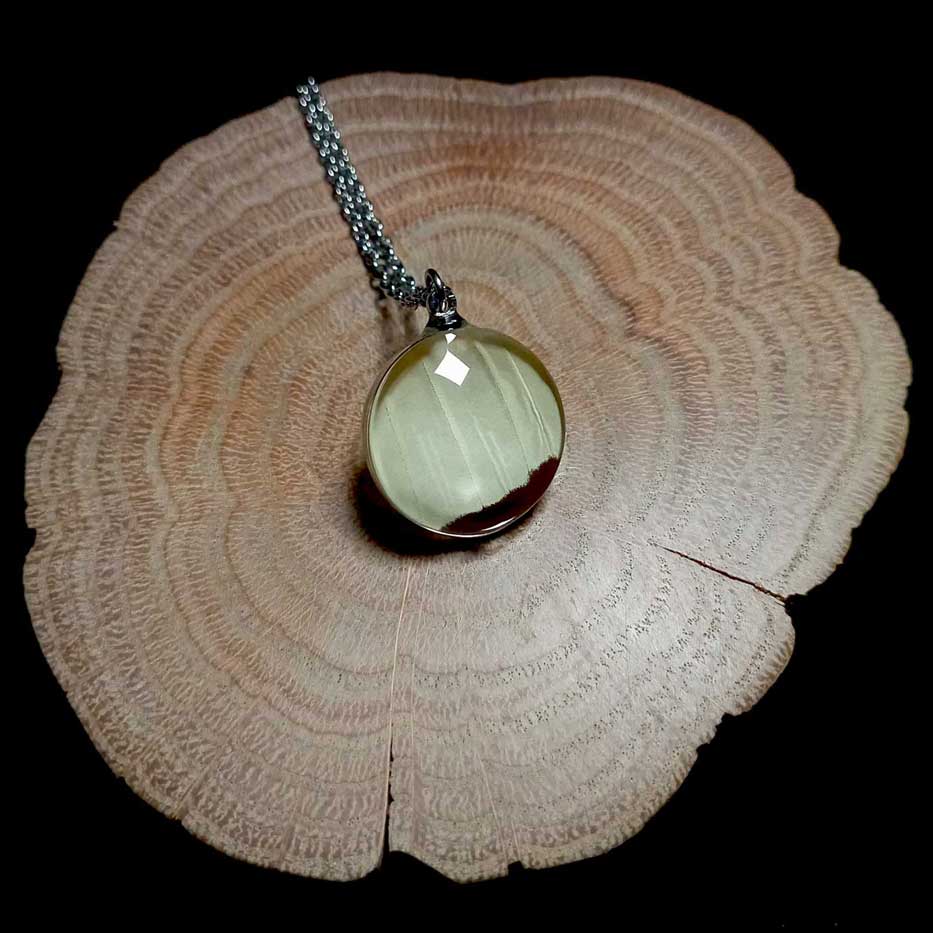
“Inspired by Papilio dardanus’ stunning wing patterns and symbolic depth, Real Butterfly Wing Necklaces have been artfully crafted to preserve fragments of these wings in elegant jewelry pieces. Each necklace becomes a wearable reminder of nature’s ingenuity and beauty — perfect for butterfly lovers and collectors alike.”

🌿 Appreciating the African Swallowtail
Papilio dardanus is widespread throughout sub-Saharan Africa, including Madagascar and the Comoro Islands, occupying rainforest, mountain forest, savanna and even gardens where its host plants (often citrus and related genera) occur. Females mimic local toxic species to evade predators, while males often patrol and display territorial flight. IITA+1
This combination of adaptive brilliance, aesthetic appeal and evolutionary interest has made this species a key subject in research on mimicry, genetics and natural selection for over a century. Wikipedia
🛍️ Explore African Swallowtail Wing Jewelry
For readers inspired by the incredible diversity and symbolism of Papilio dardanus, explore our collection of real butterfly wing-inspired necklaces that capture this species’ elegance and meaning:
👉 Visit the Papilio dardanus butterfly wing necklace collection on Myshop9.com